Best High Protein Meal Prep Recipes for Belly Fat Loss (Anti-Inflammatory)
If you’re tired of “clean eating” that tastes like cardboard, or meal prep that gets boring by Wednesday, you’re in the right place. The truth about losing belly fat isn’t hidden in expensive supplements or restrictive diets. It’s in real food, solid protein, and recipes you actually want to eat. This is what best high protein meal prep belly fat loss should look like: satisfying meals that fight inflammation, keep you full for hours, and taste good enough to look forward to.
I’ve spent years listening to readers tell me the same thing: they start a meal prep routine full of hope, then abandon ship when everything tastes the same. That’s not willpower. That’s boring food. The recipes I’m sharing today are different. They’re built on lean proteins, whole ingredients, and anti-inflammatory foods that your body actually recognizes. No gimmicks. No “fat burning” claims. Just nutrient-dense meals that work because they’re delicious and keep you satisfied.
These five recipes are my go-to when I need to feel lighter, have more energy, and cut through bloating. They’re all meal-prep friendly, they reheat beautifully, and they’re the kind of recipes your family will eat without complaint. Ready to see what real protein-packed eating looks like?
Why You’ll Love These Recipes
- High protein, truly satisfying: Each recipe delivers 28-35g of protein per serving, keeping you full and stable through your day
- Meal-prep champions: Make a batch Sunday, eat confidently all week with zero food waste
- Budget-friendly: Built on affordable proteins like chicken breast, ground turkey, and canned fish, no specialty ingredients required
- Actually anti-inflammatory: Loaded with omega-3s, antioxidants, and whole foods that calm bloating and support digestion
- Under 30 minutes total: Because real life doesn’t have time for elaborate cooking
How Protein Powers Your Fat Loss Goals
Here’s what matters: protein isn’t just about muscle. It’s your secret weapon against belly fat. When you eat adequate protein (aiming for 25-35g per meal), your body stays satisfied longer, your blood sugar stays stable, and you’re way less likely to reach for snacks at 3 PM. Protein also has a higher thermic effect than carbs or fat, meaning your body burns more calories just digesting it. For belly fat loss specifically, protein helps preserve lean muscle while you’re in a calorie deficit, which keeps your metabolism humming. These recipes nail that balance: they’re protein-forward without being boring chicken-and-broccoli monotony.
Table of Contents
Recipe 1: Sheet Pan Lemon Herb Chicken with Roasted Vegetables
Why This One Earns a Spot in Your Rotation
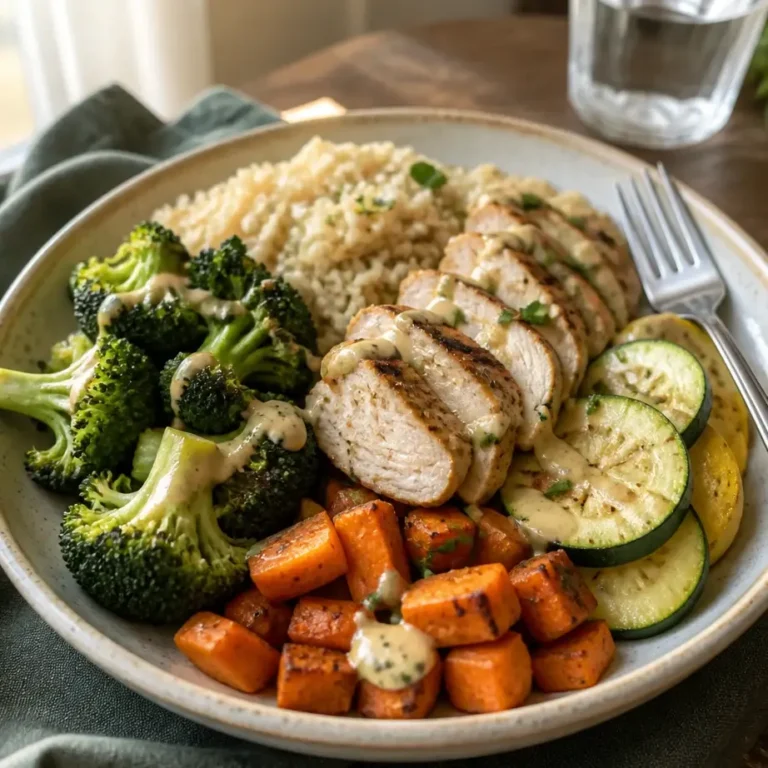
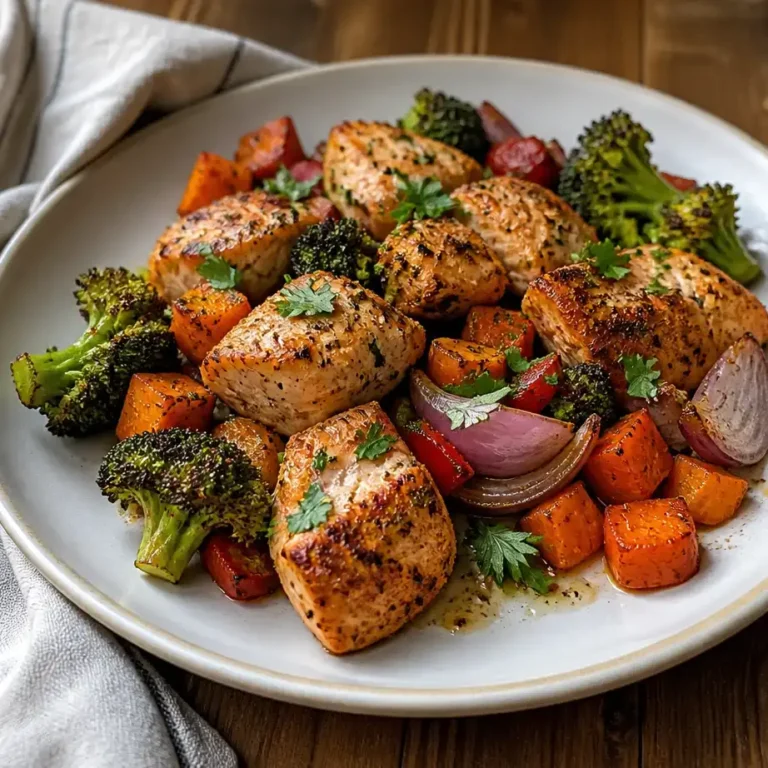
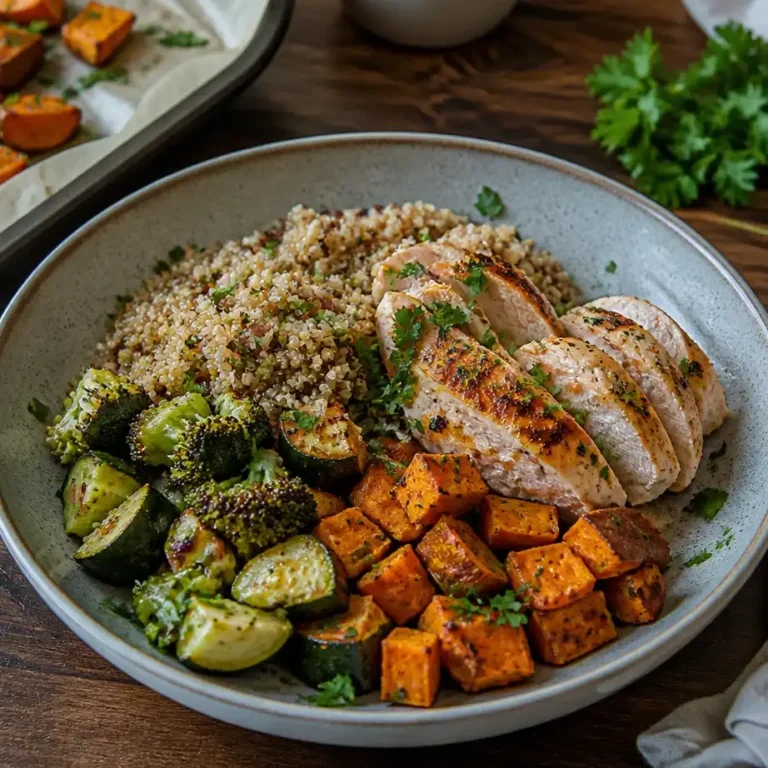
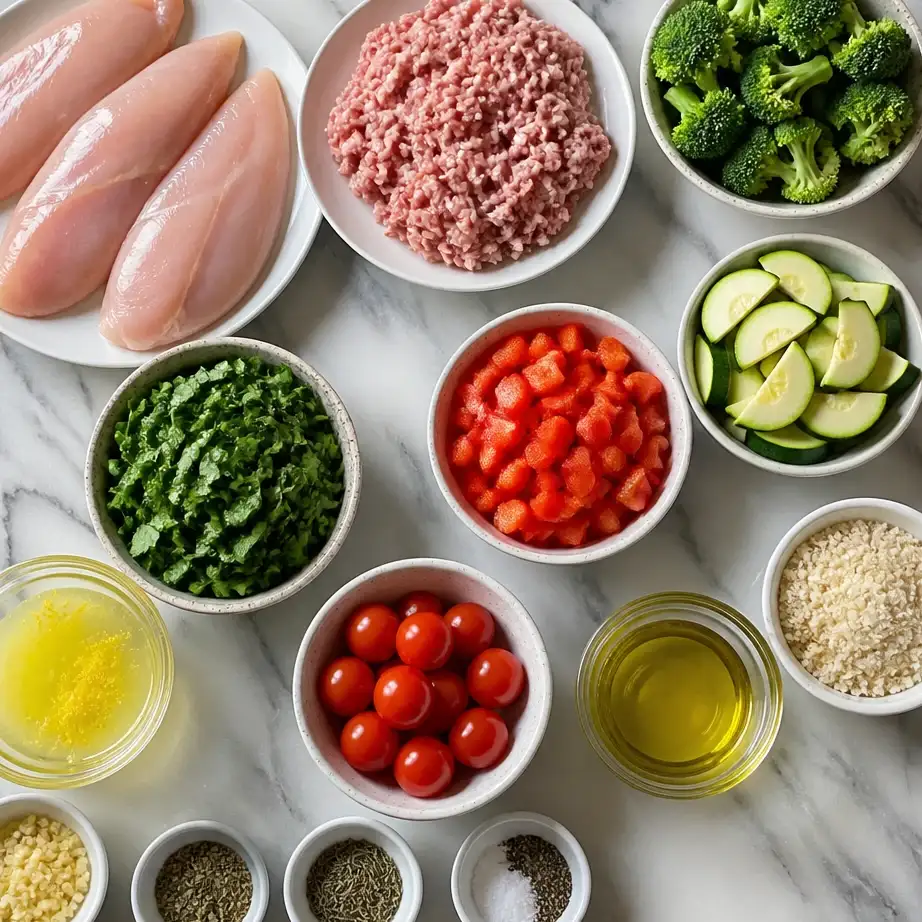
sheet pan meals are the meal-prep MVP. Everything cooks together, one pan to wash, and it reheats like a dream. This combination of lemon, garlic, and fresh herbs keeps inflammation at bay while chicken breast delivers clean, lean protein.
Ingredients
- 1.5 lbs boneless, skinless chicken breasts
- 2 tablespoons extra virgin olive oil
- Juice and zest of 2 lemons
- 4 cloves garlic, minced
- 2 teaspoons dried oregano
- 1 teaspoon dried thyme
- Salt and black pepper to taste
- 2 cups broccoli florets
- 1 medium zucchini, cut into half-moons
- 1 red bell pepper, chopped
- 1 cup cherry tomatoes
The lemon and garlic create a natural marinade that infuses flavor without adding empty calories. The vegetables add fiber and phytonutrients that fight inflammation. This is straightforward whole-food eating that happens to pack 32g of protein per serving.
Step-by-Step Instructions
- Preheat your oven to 400°F and line a large sheet pan with parchment paper.
- Pat the chicken breasts dry with paper towels, then place them on one half of the pan. This prevents them from steaming and helps them brown beautifully.
- Whisk together olive oil, lemon juice, lemon zest, minced garlic, oregano, thyme, salt, and pepper in a small bowl.
- Pour half the marinade over the chicken, then arrange your vegetables around it on the pan.
- Drizzle the remaining marinade over the vegetables, toss gently to coat, and spread everything in a single layer.
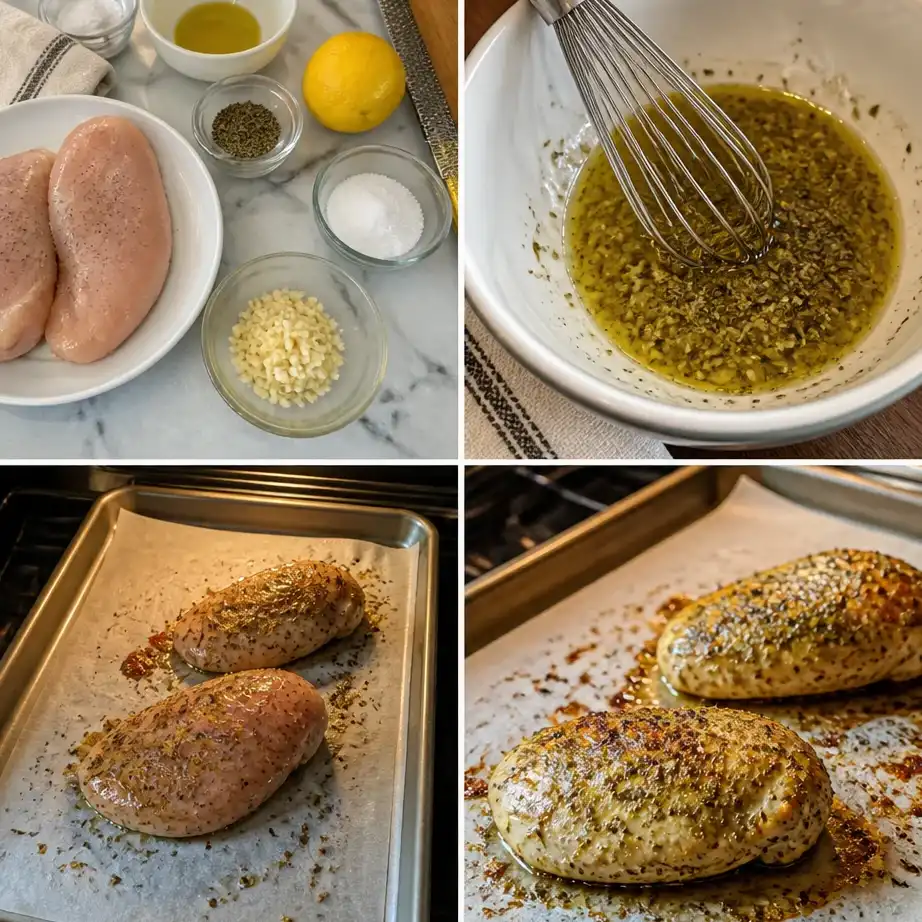
- Roast for 20-22 minutes, until the chicken reaches 165°F internally and the vegetables are tender and caramelized at the edges.
- Let it rest for 5 minutes before dividing into meal-prep containers. The resting time lets juices redistribute so your chicken stays moist all week.
Emma’s Pro Tips
- Make it last longer: Cool the entire sheet pan on the counter for 10 minutes, then transfer to airtight containers. It keeps beautifully for five days in the fridge.
- Swap the vegetables freely: Use Brussels sprouts, cauliflower, asparagus, or whatever’s on sale. The technique stays the same, and roasted veggies always taste great the next day.
- Double the batch: This recipe scales perfectly. Two sheet pans fit most ovens, giving you 10 servings instead of 5. Freeze half in individual portions for weeks when motivation is low.
Recipe 2: Turkey Meatballs with Marinara and Hidden Greens
What Makes This Recipe Stand Out
Ground turkey has become my secret weapon for consistent high-protein meals. These meatballs are loaded with spinach (you won’t taste it), which adds iron and nutrients while keeping the fat content low. Marinara is naturally anti-inflammatory thanks to lycopene in the tomatoes.
Ingredients
- 1.5 lbs ground turkey (93/7 lean)
- 1.5 cups fresh spinach, finely chopped
- 1/2 cup panko breadcrumbs
- 1 egg
- 1/4 cup grated Parmesan
- 3 cloves garlic, minced
- 1 teaspoon Italian seasoning
- Salt and pepper to taste
- 24 oz marinara sauce (choose one without added sugar when possible)
- Optional: 1/2 teaspoon red pepper flakes for anti-inflammatory kick
Ground turkey is leaner than beef but stays moist because of the spinach. One serving of five meatballs delivers 29g of protein with only 180 calories, making this a genuine meal-prep winner for belly fat loss.
Step-by-Step Instructions
- Combine ground turkey, chopped spinach, panko, egg, Parmesan, minced garlic, Italian seasoning, salt, and pepper in a bowl.
- Mix gently with your hands just until combined, about 30 seconds. Overworking makes tough meatballs. You’re binding ingredients, not creating a cement block.
- Roll into 15 meatballs of roughly equal size, about 1.5 inches across.
- Heat a large skillet over medium-high heat and add a light coat of olive oil.
- Working in batches if needed, sear meatballs for 2-3 minutes per side until golden and cooked through internally (165°F). They don’t need to be fully cooked at this stage; they’ll finish in the sauce.
- Pour marinara sauce into the skillet, reduce heat to medium-low, and simmer for 15 minutes.
- Portion into containers with sauce. These reheat perfectly in the microwave or on the stovetop with a splash of water.
Emma’s Pro Tips
- Batch cook the spinach: If your spinach is very wet, sauté it quickly in a dry pan to evaporate excess moisture. Wet spinach makes mushy meatballs.
- Freeze before the sauce: Freeze uncooked meatballs on a sheet pan, then transfer to a freezer bag. Cook from frozen in the sauce for 20 minutes when you want fresh meatballs mid-week.
- Bulk up your meal: These pair beautifully with zucchini noodles, regular pasta, or even cauliflower rice depending on your carb goals. A macro-friendly meal prep guide will give you more ideas on balancing them out.
Recipe 3: Greek Yogurt Salmon Bowls with Quinoa
Reasons This Belongs in Your Meal Prep Lineup
Salmon is one of the most anti-inflammatory proteins you can eat, loaded with omega-3 fatty acids that actually reduce belly inflammation. Greek yogurt adds creaminess and extra protein without heavy cream. Quinoa is a complete protein, making this a legitimate powerhouse meal.
Ingredients
- 1.25 lbs wild salmon fillet
- 2 tablespoons olive oil
- 1 tablespoon Dijon mustard
- 1 tablespoon maple syrup
- 2 cloves garlic, minced
- Salt and pepper to taste
- 1 cup uncooked quinoa
- 2 cups chicken or vegetable broth
- 1 cup plain nonfat Greek yogurt
- 2 tablespoons fresh dill
- 1 tablespoon lemon juice
- 2 cups cucumber, diced
- 1 cup cherry tomatoes, halved
- 1/2 red onion, thinly sliced
- 2 cups arugula or mixed greens
Salmon delivers 25g of protein in just 3 ounces, plus omega-3s that combat the inflammation linked to belly fat storage. This is genuinely healing food, not diet food.
Step-by-Step Instructions
- Preheat oven to 400°F. Line a sheet pan with parchment and place the salmon skin-side down.
- Whisk together olive oil, Dijon mustard, maple syrup, minced garlic, salt, and pepper.
- Brush the mixture over the salmon, then roast for 12-15 minutes until it flakes easily with a fork.
- While salmon cooks, rinse quinoa and combine with broth in a saucepan. Bring to a boil, then reduce heat and simmer covered for 15 minutes. Remove from heat and fluff with a fork.
- Prepare the yogurt dressing by combining Greek yogurt, fresh dill, lemon juice, salt, and pepper.
- Once salmon and quinoa are cool, divide each into four containers.
- Pack cucumber, tomatoes, red onion, and greens separately so they stay fresh. Drizzle dressing right before eating.
Emma’s Pro Tips
- Keep greens crisp: Store them in a separate small container with a paper towel to absorb excess moisture. Add them just before eating so they don’t wilt.
- Dressing on the side: The yogurt dressing keeps longer when separated. This meal stays fresh for four days because nothing gets soggy.
- Boost protein further: Stir a tablespoon of hemp seeds or sunflower seeds into each bowl for extra crunch and 2-3g additional protein.
Recipe 4: Spiced Turkey and Lentil Skillet
A Weeknight Staple in the Making
Lentils are an underrated belly-fat-loss ally. They’re high in fiber and resistant starch, both of which feed your good gut bacteria and reduce bloating. Combined with ground turkey and warming spices, this is comfort food that actually supports your goals.
Ingredients
- 1 lb ground turkey
- 1 tablespoon olive oil
- 1 medium onion, diced
- 3 cloves garlic, minced
- 1 tablespoon grated fresh ginger
- 1 teaspoon cumin
- 1 teaspoon coriander
- 1/4 teaspoon turmeric
- Pinch of cayenne (optional)
- 1 cup dried brown or green lentils, rinsed
- 2.5 cups low-sodium chicken broth
- 1 can (14 oz) diced tomatoes
- Salt and pepper to taste
- Fresh cilantro for garnish
Each serving contains 28g protein from the turkey and lentils combined, plus fiber that keeps you satisfied for hours. The turmeric is a well-researched anti-inflammatory powerhouse.
Step-by-Step Instructions
- Heat olive oil in a large skillet over medium-high heat.
- Add diced onion and sauté for 4 minutes until softened. Add garlic and ginger, cook for 1 minute more.
- Add ground turkey, breaking it up as it cooks, about 5 minutes until no pink remains.
- Stir in cumin, coriander, turmeric, and cayenne, cooking for 30 seconds to bloom the spices.
- Add rinsed lentils, chicken broth, and diced tomatoes with their juice.
- Bring to a boil, then reduce heat and simmer uncovered for 25-30 minutes until lentils are tender but not mushy.
- Season with salt and pepper to taste. Cool completely before portioning into containers.
Emma’s Pro Tips
- Spice variations: If turmeric isn’t your thing, swap it for smoked paprika. Same depth, different flavor.
- Meal-prep math: This makes five generous portions. One skillet, one dinner plan, no thinking required for days.
- Stretching strategy: This is already high in volume and fiber, but you can add diced bell peppers or zucchini if you want even more vegetables without changing the protein content.
Recipe 5: Shrimp Stir-Fry with Cauliflower Rice
The Quick Fix for Busy Nights
Shrimp cooks in minutes, making this the fastest high-protein meal prep option. It’s naturally low in calories, high in protein, and pairs perfectly with cauliflower rice for a meal that feels indulgent but supports your goals.
Ingredients
- 1.25 lbs large shrimp, peeled and deveined
- 3 cups cauliflower rice (fresh or frozen)
- 3 tablespoons low-sodium soy sauce or tamari
- 2 tablespoons rice vinegar
- 1 tablespoon sesame oil
- 1 teaspoon grated fresh ginger
- 3 cloves garlic, minced
- 1 tablespoon olive oil
- 2 cups broccoli florets
- 1 red bell pepper, sliced
- 4 green onions, chopped
- 1 tablespoon sesame seeds
- Optional: 1/4 teaspoon red pepper flakes
Shrimp delivers 20g of protein in just 3 ounces with almost zero fat. The cauliflower rice keeps carbs low while providing volume and nutrients. This is one of the leanest high-protein options available.
Step-by-Step Instructions
- Whisk together soy sauce, rice vinegar, sesame oil, ginger, and minced garlic in a bowl. Set aside.
- Heat olive oil in a large skillet or wok over high heat.
- Add broccoli and bell pepper, stirring frequently for 3 minutes until they start to soften but still have crunch.
- Push vegetables to the sides and add shrimp to the center of the pan.
- Cook shrimp for 2 minutes, then flip and cook another 1-2 minutes until they’re pink and cooked through.
- Stir in cauliflower rice and cook for 2 minutes until heated through.
- Pour sauce over everything, toss to coat, and cook for 1 minute more.
- Top with green onions and sesame seeds. Cool before portioning.
Emma’s Pro Tips For Best High Protein Meal Prep Belly Fat Loss
- Don’t overcook shrimp: It goes from perfectly tender to rubbery fast. The moment they turn pink and opaque, they’re done. This is a 6-minute meal, not 20.
- Frozen shrimp works: Thaw them fully and pat dry before cooking. Just as quick and usually cheaper than fresh.
- **High protein volume eating: Use this shrimp base with different vegetables throughout the week. Tuesday is broccoli and pepper. Wednesday is snap peas and mushrooms. Same protein, different meal.
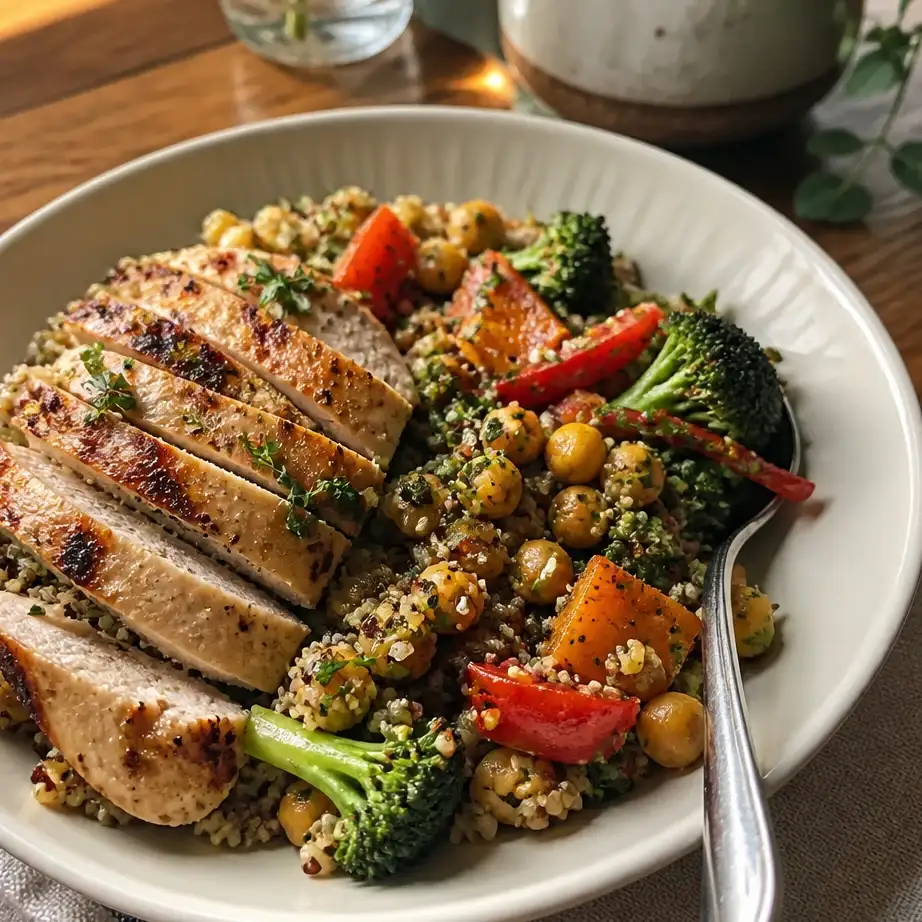
Nutrition Snapshot (Per Serving, Approximate)
Sheet Pan Chicken: Protein 32g | Calories 280 | Carbs 12g | Fat 10g
Turkey Meatballs with Marinara: Protein 29g | Calories 220 | Carbs 8g | Fat 7g
Greek Yogurt Salmon Bowls: Protein 34g | Calories 380 | Carbs 35g | Fat 12g
Turkey and Lentil Skillet: Protein 28g | Calories 320 | Carbs 32g | Fat 6g
Shrimp Stir-Fry: Protein 26g | Calories 210 | Carbs 14g | Fat 8g
Note: Values vary depending on brands and exact portions. These are estimates based on standard USDA data.
What to Serve These With
For the sheet pan chicken: A side of hummus with whole grain crackers, or a simple green salad with olive oil and vinegar.
For meatballs: Serve over zucchini noodles or regular pasta. Add a side salad to keep the meal balanced.
For salmon bowls: These are already complete meals with protein, carbs, and healthy fat. Serve with sparkling water and lemon.
For the lentil skillet: Pair with roasted sweet potato or brown rice if you want additional carbs. A simple yogurt sauce on the side adds creaminess.
For shrimp stir-fry: Serve with jasmine rice, brown rice, or on its own if you prefer lower carbs.
How to Store and Reheat These Meals
All five recipes keep beautifully in airtight glass containers for 4-5 days in the refrigerator. Label them with the date so you don’t wonder what’s what on day four.
For reheating: the sheet pan chicken, meatballs, lentil skillet, and shrimp stir-fry all reheat perfectly in the microwave (2-3 minutes, stirring halfway). Add a splash of water or broth if they seem dry.
The salmon bowl is best eaten cold or at room temperature, or gently warmed on the stovetop with a lid to preserve texture.
Freezing works for all of these. Let them cool completely, portion into freezer-safe containers, and freeze for up to three months. Thaw overnight in the fridge, then reheat as directed above.
Frequently Asked Questions
How much protein do I actually need daily for belly fat loss?
Most research suggests 0.7-1g per pound of body weight, or roughly 25-35g per meal. These recipes hit that target. Getting adequate protein preserves muscle while you’re in a calorie deficit, which is crucial for maintaining your metabolism.
Can I meal prep all five recipes at once?
You absolutely can, but it might be overwhelming for a first-timer. Start with two or three, then add more as you get comfortable. Or stagger them: make the sheet pan chicken and shrimp stir-fry on Sunday, then prepare the lentil skillet midweek when motivation is low.
Are these recipes kid-friendly?
Most are. The sheet pan chicken is universally loved. The meatballs usually win over kids if you skip the red pepper flakes. The salmon is healthier than they might expect. The lentil skillet might need gentle introduction. The shrimp stir-fry tends to be polarizing with young kids, but worth trying.
What if I don’t like one of the proteins?
Swap freely. Use chicken breast in place of turkey. Use ground beef instead of turkey in the lentil skillet. Use tilapia or cod instead of salmon. The cooking method and spice profiles stay the same. The nutrition shifts slightly, but protein content remains solid.
How do I know if something has gone bad?
Trust your senses. If it smells off or looks discolored, don’t eat it. When stored properly in airtight containers, these meals stay fresh for 4-5 days. If you’re uncertain, freeze half the batch on day two to extend freshness.
Can I double these recipes?
Every single one scales beautifully. Double the ingredients, use two sheet pans or a larger skillet, and the cooking times stay mostly the same. You’ll have 10 portions instead of 5, which covers two weeks of lunches or dinners depending on your schedule.
What if I have a food sensitivity or allergy?
Most recipes are naturally flexible. The sheet pan chicken works without any modifications if you skip the lemon. The lentil skillet is naturally gluten-free (just check your broth). Salmon bowls can use rice or another grain instead of quinoa. Always check labels on packaged ingredients like broth or soy sauce for hidden allergens.
The Real Talk About Belly Fat and Eating Well
Here’s what I want you to understand: these recipes aren’t magic. They won’t melt belly fat overnight, and they’re not a substitute for moving your body or managing stress. But they’re the foundation. They’re the meals that keep you satisfied so you’re not reaching for things you don’t actually want. They’re the recipes that make healthy eating feel normal instead of like punishment.
Belly fat is stubborn because it’s connected to inflammation, cortisol, and how your body processes food. When you eat anti-inflammatory proteins, whole foods, and adequate fiber, you’re literally addressing those root causes. The lemon herb chicken isn’t just delicious. It’s lemon and herbs working with lean protein to calm your system. The turkey meatballs with spinach aren’t just convenient. They’re nutrient density you can eat all week without boredom.
I’ve watched readers commit to meal prep with these kinds of recipes and see real changes in how they feel within two weeks. More energy. Better sleep. Clothes fitting differently. Not because they’re eating “less,” but because they’re eating better.
Start with whichever recipe sounds most appealing. Make it this week. See how you feel. Then add another. Build a small rotation of recipes you actually crave. That’s how belly fat loss becomes sustainable instead of another failed attempt at restrictive eating.
You’ve got this. And if you want more high-protein ideas, save this post and share it on Pinterest for future reference.
Best High Protein Meal Prep Recipes for Belly Fat Loss (Anti-Inflammatory)
Equipment
- sheet pan
- parchment paper
- mixing bowl
- whisk
- large skillet
- airtight containers
Ingredients
- 1.5 lbs boneless, skinless chicken breasts
- 2 tablespoons extra virgin olive oil
- Juice and zest of 2 lemons
- 4 cloves garlic, minced
- 2 teaspoons dried oregano
- 1 teaspoon dried thyme
- Salt and black pepper to taste
- 2 cups broccoli florets
- 1 medium zucchini, cut into half-moons
- 1 red bell pepper, chopped
- 1 cup cherry tomatoes
- 1.5 lbs ground turkey (93/7 lean)
- 1.5 cups fresh spinach, finely chopped
- 0.5 cup panko breadcrumbs
- 1 egg
- 0.25 cup grated Parmesan
- 3 cloves garlic, minced
- 1 teaspoon Italian seasoning
- 24 oz marinara sauce
- 0.5 teaspoon red pepper flakes (optional)
Instructions
- Sheet Pan Chicken:
- Step 1: Preheat oven to 400°F and line sheet pan with parchment paper.
- Step 2: Pat chicken breasts dry and place on one half of pan.
- Step 3: Whisk olive oil, lemon juice, zest, garlic, oregano, thyme, salt, and pepper.
- Step 4: Pour half marinade over chicken, arrange vegetables around it.
- Step 5: Drizzle remaining marinade over vegetables and toss to coat.
- Step 6: Roast 20-22 minutes until chicken reaches 165°F and vegetables are tender.
- Step 7: Rest 5 minutes before portioning into containers.
- Turkey Meatballs:
- Step 1: Combine ground turkey, spinach, panko, egg, Parmesan, garlic, Italian seasoning, salt, and pepper in bowl.
- Step 2: Mix gently until just combined, about 30 seconds.
- Step 3: Roll into 15 meatballs, approximately 1.5 inches across.
- Step 4: Heat skillet over medium-high heat with light olive oil.
- Step 5: Sear meatballs 2-3 minutes per side until golden.
- Step 6: Pour marinara sauce into skillet, reduce to medium-low.
- Step 7: Simmer 15 minutes, then portion into containers with sauce.