How to Track Macros for High Protein Meal Prep (Complete Ratio Guide)
Let’s be honest. You’ve decided to nail your nutrition. You want to build muscle, feel fuller longer, and actually enjoy what you’re eating. But then you open a macro tracking app for the first time and stare at a spreadsheet of numbers that looks like it came from a NASA launch.
Protein grams, carb percentages, fat ratios, calorie targets. It’s enough to make you close the app and order takeout instead.
Here’s the thing: tracking macros for high protein meal prep doesn’t have to be complicated. Once you understand the basics of how to track macros for high protein, the math becomes second nature. You’ll know exactly what you’re putting on your plate, how it fuels your body, and whether you’re actually hitting your goals. No guesswork. No wasted effort in the kitchen.
Let me walk you through the complete system I use with every meal I prep, the ratios that actually work, and the tools that make tracking feel effortless instead of exhausting.
Why This System Changes Everything
- You’ll know exactly what you’re eating instead of guessing and hoping
- Meal prep becomes strategic, not random – you’ll build recipes that hit your targets consistently
- Progress gets measurable – no more wondering why the scale isn’t moving
- You spend less time second-guessing yourself and more time enjoying food
- Works with real life – kids, busy schedules, the occasional pizza night all included
The Fundamentals: What Are Macros and Why Protein Matters Most
Macronutrients (macros) are the three building blocks in every food: protein, carbohydrates, and fat. Each gram of protein contains 4 calories. Carbs also contain 4 calories per gram. Fat contains 9 calories per gram.
Table of Contents
For high protein meal prep, we’re prioritizing protein first because it does the heavy lifting: it builds and repairs muscle, keeps you full for hours, has the highest thermic effect (your body burns calories digesting it), and supports everything from your immune system to your skin. That’s why protein is the non-negotiable anchor of every meal we’re building.
The other macros adjust based on your goals and lifestyle. But protein? That’s our foundation.
Understanding Macro Ratios for High Protein Goals
When you’re tracking macros for high protein meal prep, you’re working within a ratio. Most common targets look like this:
High Protein, Moderate Carb (for muscle building or active days): 40% protein / 35% carbs / 25% fat
High Protein, Lower Carb (for fat loss or less active days): 40% protein / 30% carbs / 30% fat
Balanced High Protein (most sustainable long-term): 35% protein / 40% carbs / 25% fat
Here’s how it works in real numbers: If your daily calorie target is 2,000 calories:
- Protein: 40% of 2,000 = 800 calories ÷ 4 calories per gram = 200g protein
- Carbs: 35% of 2,000 = 700 calories ÷ 4 calories per gram = 175g carbs
- Fat: 25% of 2,000 = 500 calories ÷ 9 calories per gram = 56g fat
You can adjust these percentages up or down depending on whether you’re trying to build muscle (higher protein and carbs) or lose fat (higher protein, moderate carbs and fat). But notice protein stays high across all three scenarios.
How to Calculate Your Personal Macro Targets
Before you start meal prepping, figure out your baseline. This takes five minutes.
Step 1: Calculate Your Daily Calorie Needs
You can use an online calculator (search “TDEE calculator” – that’s Total Daily Energy Expenditure) or a simpler method: multiply your current body weight in pounds by 14-16 if you’re moderately active. That gives you a rough daily calorie target.
Step 2: Choose Your Macro Ratio
Pick one of the three I listed above based on your goal. If you’re unsure, start with the balanced 35/40/25 ratio – it works for almost everyone and is easier to sustain.
Step 3: Do the Math
Use the calculations I showed you above, or use a free macro calculator online. Write down your three numbers: grams of protein, carbs, and fat per day.
Step 4: Divide by Number of Meals
If you eat three meals a day, divide each number by three. If you eat four, divide by four. This gives you your approximate macro target per meal. (You don’t need to be exact at every single meal – aim for your daily totals by day’s end.)
While you are here, take a look at my macro-friendly meal prep guide for more easy ideas.
Most of my high protein meal prep clients shoot for 25-35g protein per meal, 30-50g carbs per meal, and 10-20g fat per meal, depending on their daily targets and how many meals they eat.
The Easiest Way to Track: Apps vs. Pen and Paper
Using a Macro Tracking App (easiest if you’re precise):
Download MyFitnessPal, Cronometer, or MacroFactor. Enter your daily targets once. Then as you meal prep or eat, log your foods. The app automatically calculates macros and shows you whether you’re on track. This is my recommendation for most people because the guesswork disappears.
Using a Simple Spreadsheet (easiest if you’re visual):
Create a basic Excel or Google Sheets with columns for: Food Item, Protein (g), Carbs (g), Fat (g), Calories. As you add ingredients to your meals, the totals calculate automatically. I do this for batch cooking because I can see my whole week at once.
Using the Label Method (easiest if you’re intuitive):
Read nutrition labels, write down the macros on a sticky note, add them up in your head. This works if you’re meal prepping the same recipes repeatedly – you’ll memorize them quickly.
My honest recommendation: Start with an app for the first two weeks. Learn what 100g of chicken breast, 150g of rice, and 30g of almonds actually looks like. Then you can estimate more intuitively and rely less on constant logging. You’ll still use the app occasionally, but you won’t feel enslaved to it.
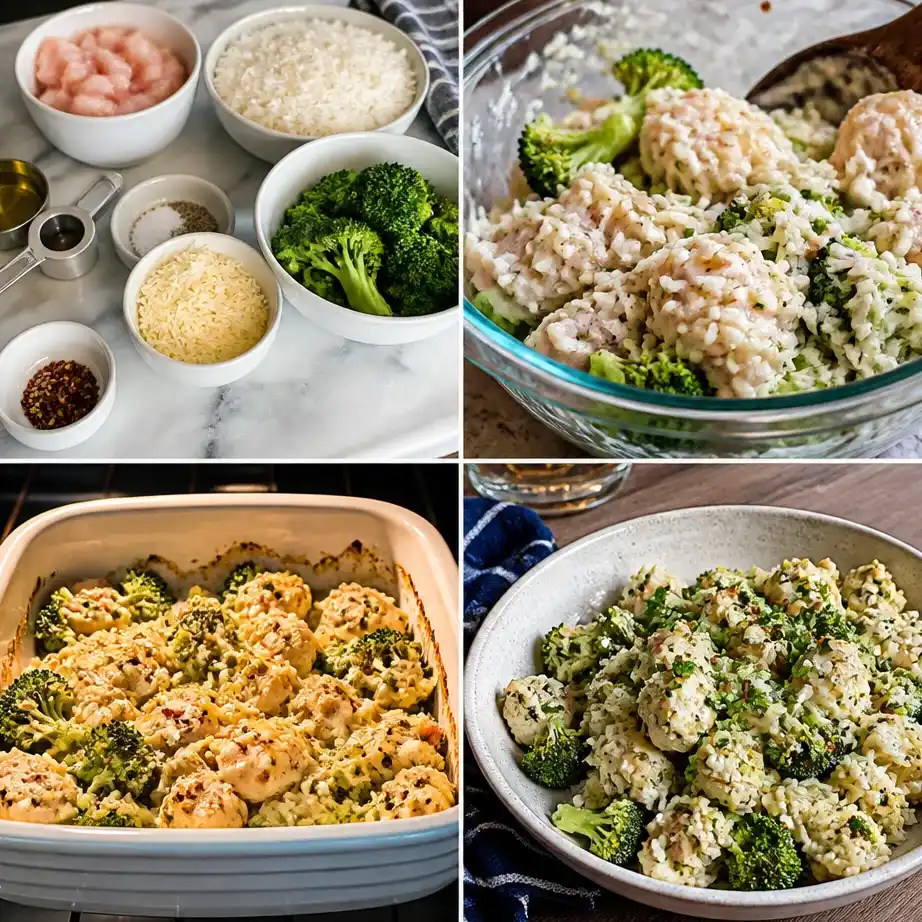
High Protein Macro Tracking in Real Meal Prep
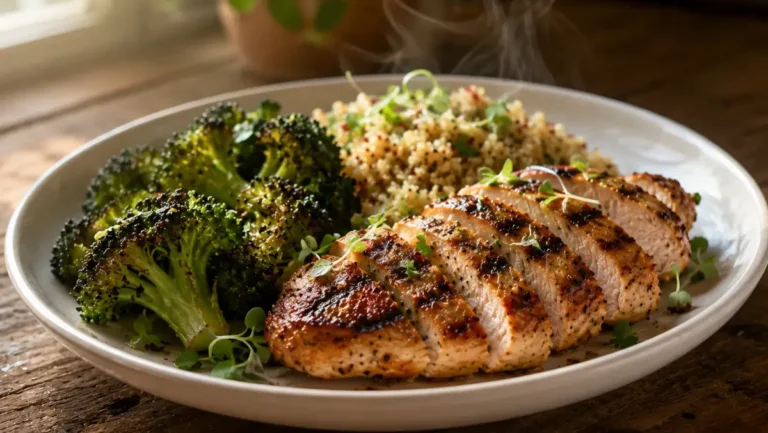
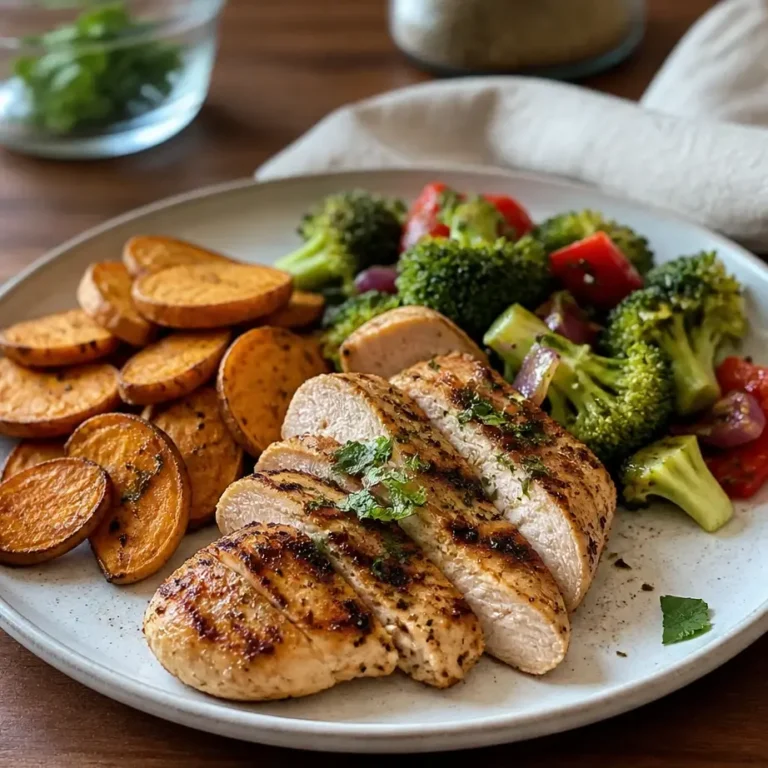
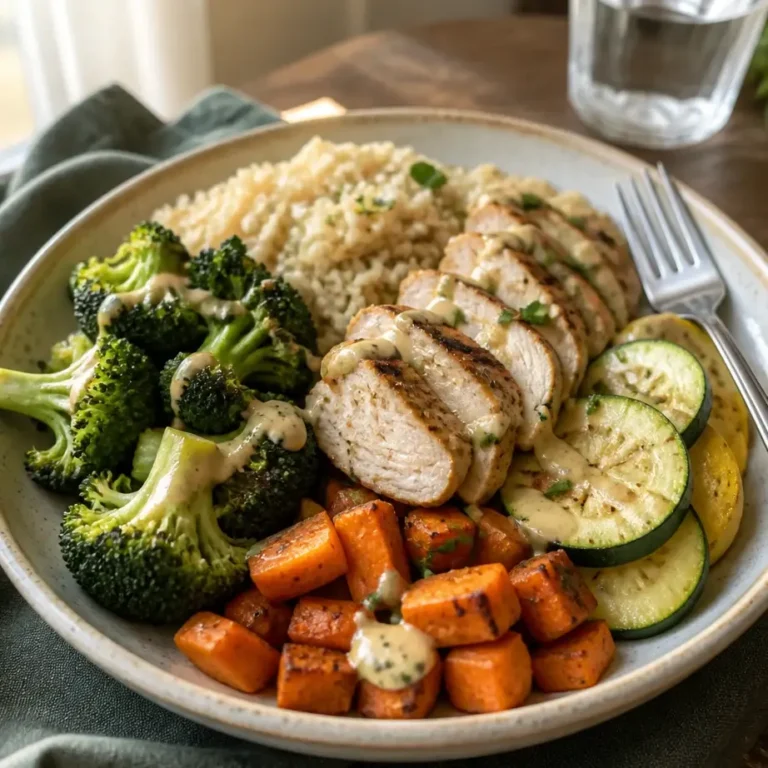
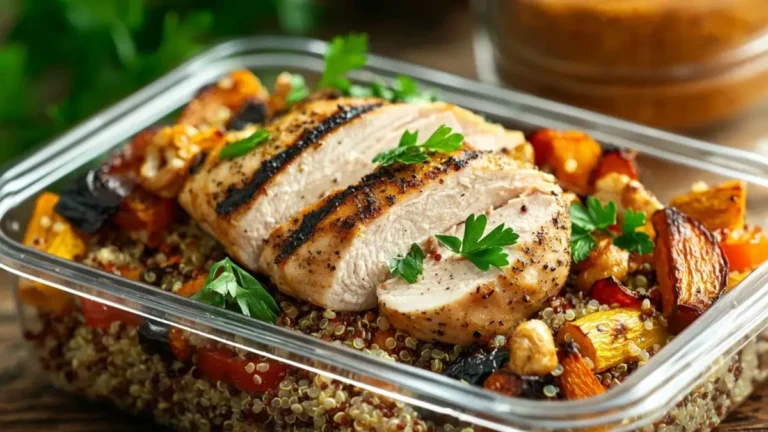
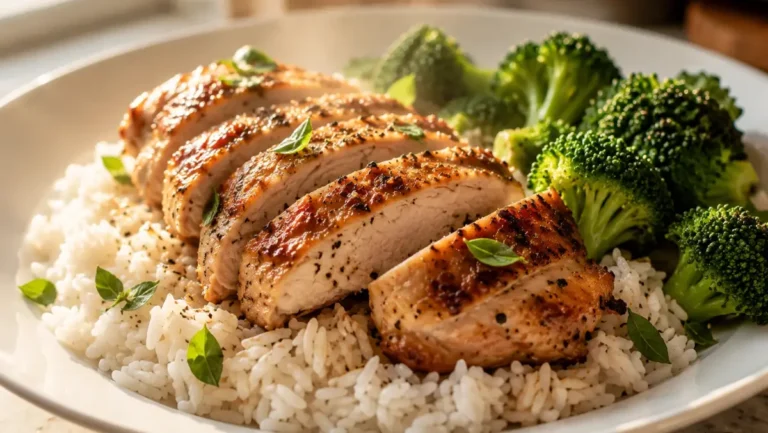
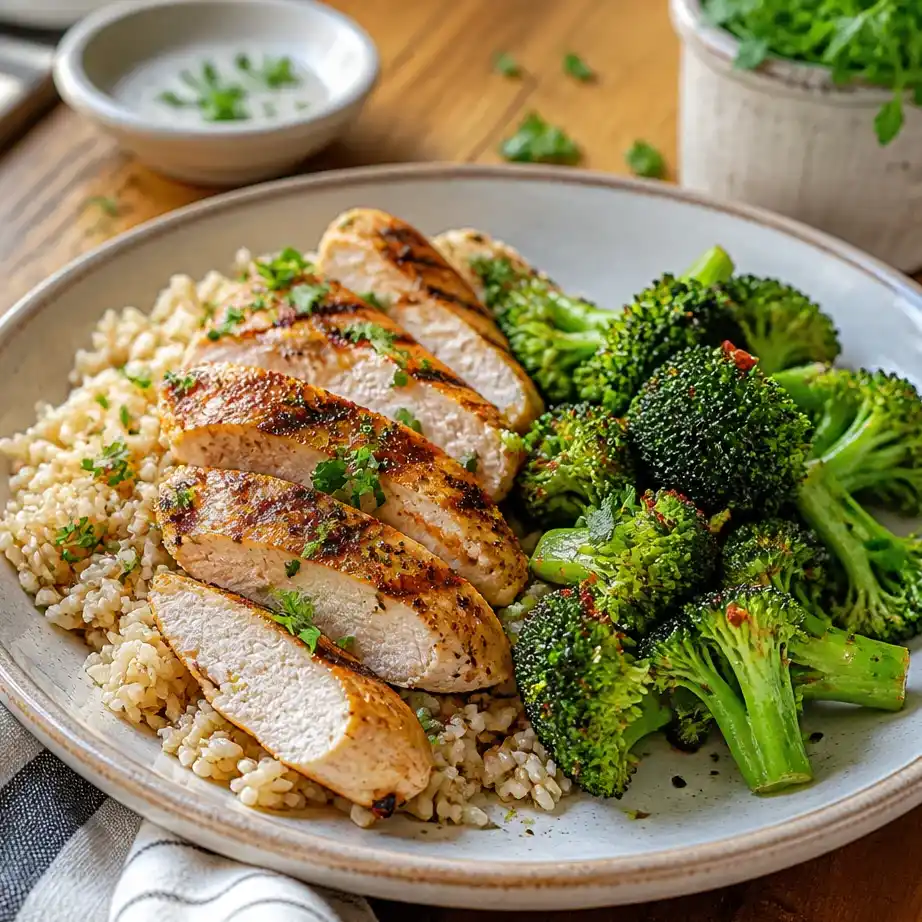
Let me show you how this works with an actual meal. Say you’re prepping 4 chicken and rice bowls for the week, and your daily macro target is 200g protein, 175g carbs, and 55g fat.
Your Target Per Meal (eating 4 times a day):
- Protein: 50g
- Carbs: 44g
- Fat: 14g
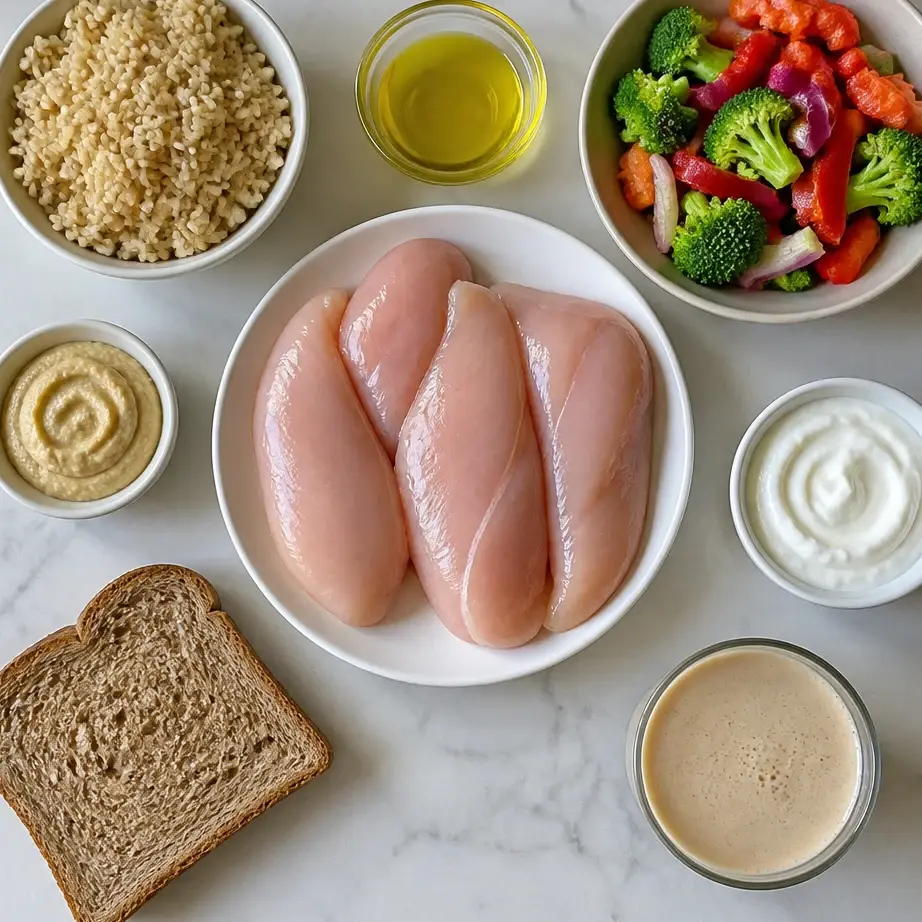
Your Chicken and Rice Bowl Ingredients (makes 4):
- 2 lbs chicken breast (about 360g cooked) = roughly 78g protein, 0g carbs, 8g fat per 4 servings = 19.5g protein, 0g carbs, 2g fat per serving
- 2 cups cooked brown rice = roughly 20g protein, 88g carbs, 8g fat total = 5g protein, 22g carbs, 2g fat per serving
- 2 tbsp olive oil for cooking = 18g fat total = 4.5g fat per serving
- Mixed vegetables (bell pepper, broccoli, onion) = negligible macros
Your Bowl’s Total Macros (per serving):
- Protein: 24.5g
- Carbs: 22g
- Fat: 6.5g
What Do You Add to Hit Your Target of 50g protein, 44g carbs, 14g fat?
Add 2 tbsp hummus (3g protein, 7g carbs, 5g fat) and a piece of whole grain bread (4g protein, 15g carbs, 2g fat).
New Total: 31.5g protein, 44g carbs, 13.5g fat.
Still short 18.5g protein, so add a Greek yogurt on the side (18g protein, 7g carbs, 0g fat) or a protein shake.
Final Total: 49.5g protein, 51g carbs, 13.5g fat. Close enough. You’re on target.
This is how you build meals that hit your numbers consistently. You’re not calculating every single meal – you’re creating templates that work and repeating them. That’s the secret most people miss.
Emma’s Pro Tips for Track Macros for High Protein
Tip 1: Weigh Your Protein Source for the First Month
This sounds tedious, but it’s the fastest way to become accurate. Get a cheap kitchen scale ($15 online) and weigh your chicken breast, ground turkey, salmon, or cottage cheese for one month. You’ll visually understand what 100g or 150g actually looks like. After that, you can eyeball it with reasonable accuracy.
Tip 2: Build a “Macro Template” for Repeat Meals
Don’t calculate from scratch every time. If you nail a chicken and broccoli bowl that hits 45g protein and 30g carbs, make it the same way every week. Write down the exact amounts. Your prep becomes faster and your tracking becomes bulletproof. I have maybe 8 templates I rotate – it keeps things interesting without reinventing the wheel.
Tip 3: Log Everything for Two Weeks, Then Eyeball
When you start a macro-tracking journey, log every single thing. Coffee with cream, the olive oil you cooked with, the apple you grabbed – everything. After two weeks, you’ll have enough data to recognize patterns. Then you can be slightly more flexible (log your protein sources strictly, estimate veggies loosely). You need that initial precision to build intuition.
Common Macro Ratios for Different Goals
Building Muscle / Strength Training:
- Protein: 40-45% of calories
- Carbs: 35-40%
- Fat: 15-25%
Eat your largest carb portions on or around workout days.
Fat Loss / Cutting:
- Protein: 40-45% (even more important here to preserve muscle)
- Carbs: 25-35%
- Fat: 20-30%
Keep protein high, reduce carbs and fat equally.
General Health / Maintenance:
- Protein: 30-35%
- Carbs: 40-45%
- Fat: 20-30%
The most balanced and sustainable long-term.
Endurance / High Activity:
- Protein: 25-30%
- Carbs: 50-60% (carbs fuel prolonged effort)
- Fat: 15-25%
Tools That Make Macro Tracking Effortless
- MyFitnessPal or MacroFactor: Best for precision. Huge food database, barcode scanner, easy logging.
- Cronometer: Best for micronutrient tracking (if you care about vitamins too). Excellent interface.
- Spreadsheet Template: Best for visual learners and batch cooking. Create once, reuse forever.
- Simple Kitchen Scale: Best investment ($12-20). Makes everything else possible.
The best tool is the one you’ll actually use. If you hate apps, use a spreadsheet. If spreadsheets feel clunky, use an app. The macro ratio matters more than the tracking method.
Frequently Asked Questions About Tracking Macros
Q: Can I track macros without calorie counting?
A: Yes. Macro tracking is actually more specific than calorie counting. If you hit your protein, carb, and fat targets, your calories will fall into place automatically. However, if your weight doesn’t change after 2-3 weeks, your calorie intake is still misaligned – that’s when you need to adjust portion sizes.
Q: What if I go over or under my macro targets?
A: Don’t panic. You’re aiming for daily or weekly averages, not perfection at every meal. If you eat 45g protein when you targeted 50g one day, eat 55g the next day. Your body responds to long-term patterns, not single meals.
Q: Is meal prep required to track macros?
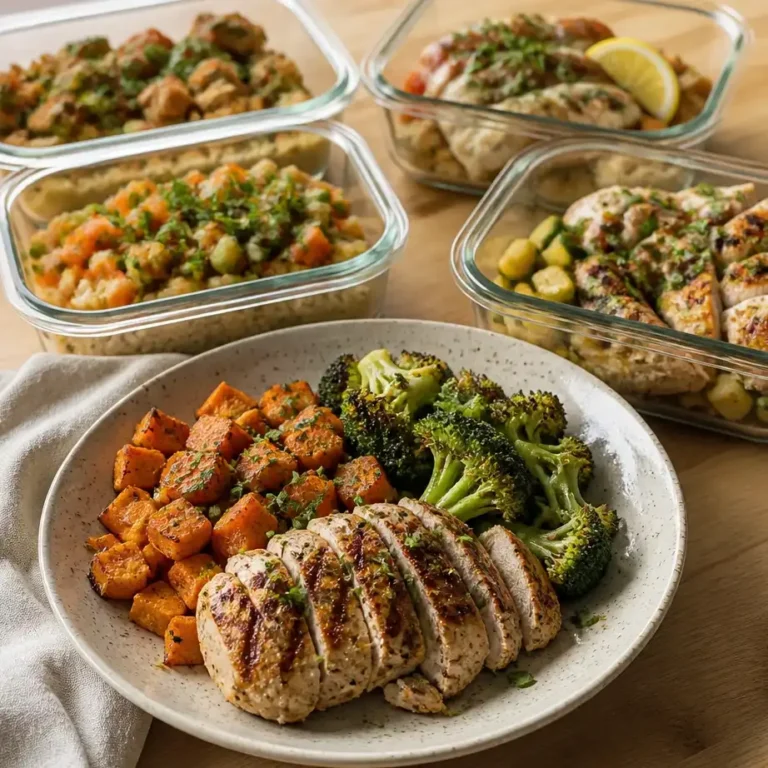
A: Not required, but it helps tremendously. Pre-portioning and cooking proteins in bulk makes logging faster and more accurate. You know exactly how much is in your container, so you’re not guessing. This is why meal prep and macro tracking go hand in hand.
Q: Do I need to track fiber separately?
A: It depends. Many people track net carbs (total carbs minus fiber) if they’re on lower-carb diets. For standard high protein meal prep, just track total carbs. Fiber-rich carbs like oats, sweet potatoes, and vegetables are automatically accounted for.
Q: How often should I adjust my macro targets?
A: Reassess every 3-4 weeks. If you’re losing 1-2 pounds per week and feel good, keep going. If progress stalls, you may need to adjust calories or macros slightly. If you’re gaining muscle and that’s your goal, don’t panic – the scale isn’t everything.
Q: What’s the best protein source for macro tracking?
A: Lean proteins with minimal fat are easiest to track: chicken breast, ground turkey, white fish, egg whites, Greek yogurt, cottage cheese, and protein powder. They have predictable macros with minimal variation between brands. Fattier cuts (thighs, ribeye) have more fat, which changes the macro profile – track accordingly.
Making It Stick: Your Next Step
Macro tracking doesn’t have to feel like a spreadsheet obsession. Start simple: pick a macro ratio, calculate your daily targets, and focus on hitting your protein goal first. Everything else follows. Your first week might feel fussy – that’s normal. By week three, it’ll feel automatic.
The real magic happens when you realize you’re not fighting your body anymore. You’re feeding it intentionally. You know why you’re eating what you’re eating. You see results because you’re actually on track.
Pin this macro-tracking guide to your Pinterest board for whenever you need a refresher. Drop a comment below if you have questions about your targets or your meal prep – I read every single one. And if this guide helped you, share it with someone who’s been trying to figure out their nutrition. They’ll thank you for it.
How to Track Macros for High Protein Meal Prep (Complete Ratio Guide)
Equipment
- kitchen scale
- large skillet
- mixing bowl
- macro tracking app or spreadsheet
Ingredients
- 2 lbs chicken breast
- 2 cups cooked brown rice
- 2 tbsp olive oil
- Mixed vegetables (bell pepper, broccoli, onion)
- 2 tbsp hummus
- 1 piece whole grain bread
- Greek yogurt
- Protein shake
Instructions
- Step 1: Calculate your daily calorie needs by multiplying body weight in pounds by 14-16.
- Step 2: Choose your macro ratio based on goals (35/40/25, 40/35/25, or 40/30/30).
- Step 3: Calculate daily grams of protein, carbs, and fat using percentages and calorie amounts.
- Step 4: Divide by number of meals to get per-meal targets.
- Step 5: Prepare chicken breast and brown rice as base ingredients.
- Step 6: Add vegetables and cook with olive oil.
- Step 7: Log ingredients in tracking app or spreadsheet to verify macros match targets.
- Step 8: Add additional components (hummus, bread, yogurt) to reach protein and macro goals.