Volume Eating High Protein Meals That Keep You Full (Weight Loss)
Let’s be real: the secret to weight loss isn’t starvation. It’s not drinking lemon water before bed or eating plain chicken breast three times a day. The actual secret? Eating more food that fills you up without blowing your calorie budget. That’s the magic of volume eating, and when you pair it with solid protein content, you’ve got a strategy that actually sticks because you’re never left hungry at the end of the day.
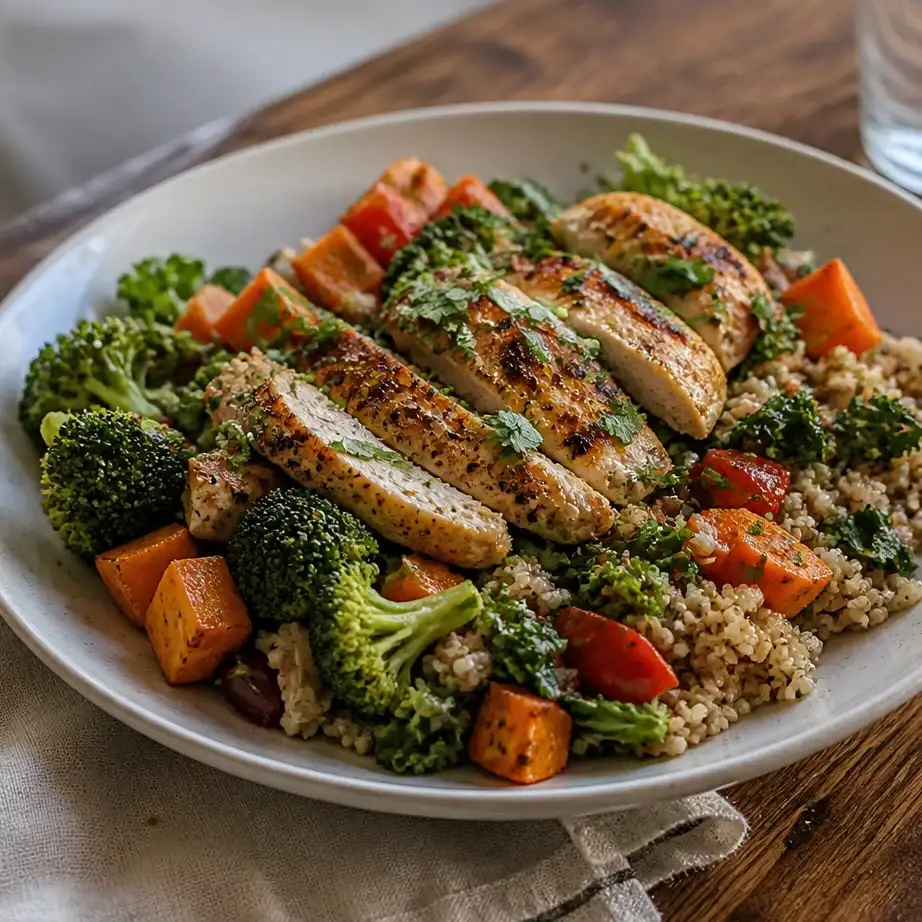
Volume eating High Protein means choosing foods that take up space on your plate and in your stomach without being calorie-dense. Think leafy greens, fibrous vegetables, lean proteins and whole grains. When your meals are built around these foods, you can eat larger portions, feel genuinely satisfied and still lose weight. It sounds too good to be true, but I’ve watched friends transform their relationship with food by mastering this approach. No restriction, no misery, just smart choices that feel abundant instead of limiting.
Today I’m sharing my go-to framework for building high protein volume eating meals that actually taste good and come together on a busy Tuesday night. These aren’t complicated recipes. They’re the kinds of dishes that belong in your regular rotation because they work, they’re affordable and honestly, you’ll want to make them again.
Why You’ll Love This Approach to Volume Eating
- Stay full longer. Each meal delivers 30g+ of protein, which keeps hunger at bay for hours and prevents the 3pm snack spiral.
- Eat more, weigh less. Load your plate with vegetables and lean protein without counting every calorie like you’re in food prison.
- Simple ingredients, zero pretension. Chicken, eggs, Greek yogurt, beans, fish and everyday vegetables. Nothing fancy or hard to find.
- Ready in 30 minutes or less. These meals fit into a realistic weeknight schedule, not a theoretical one.
What Makes High Protein Volume Eating Different
Most “diet food” tastes like you’re punishing yourself. High protein volume eating is the opposite. It works because you’re not restricting portions, you’re redirecting them toward foods that fill you up without excess calories. The protein keeps you satisfied, the volume keeps you full, and the result is a meal that actually feels generous instead of depressing.
Table of Contents
When you prioritize macro-friendly meal prep around whole foods, weight loss stops feeling like deprivation and starts feeling like a natural side effect of eating well. You’re not white-knuckling through hunger. You’re choosing foods that nourish you and happen to support your goals at the same time.
The Protein Foundation: Why It Matters
Protein is the MVP of volume eating. It has the highest thermic effect of any macronutrient, meaning your body burns calories just digesting it. More importantly, protein signals fullness to your brain faster than carbs or fat. A meal with 30 grams of protein keeps you satisfied three to four hours longer than a meal with 10 grams, even if the total calories are similar.
For weight loss specifically, adequate protein preserves lean muscle mass while you’re in a calorie deficit. That matters because muscle keeps your metabolism humming. Eat too little protein while trying to lose weight and you’ll lose fat along with muscle, which slows your metabolism down. With enough protein, you lose fat while keeping the muscle that burns calories all day long, even when you’re sitting on the couch.
Building Your High Protein Volume Eating Plate
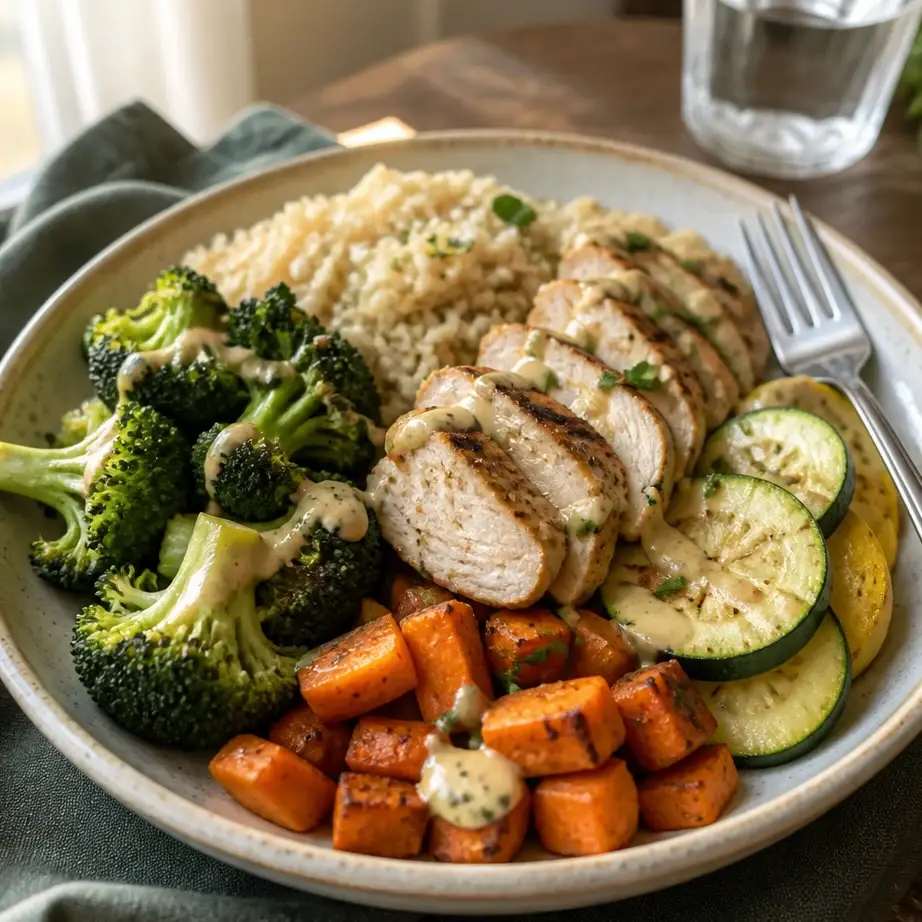
Think of your plate in three sections:
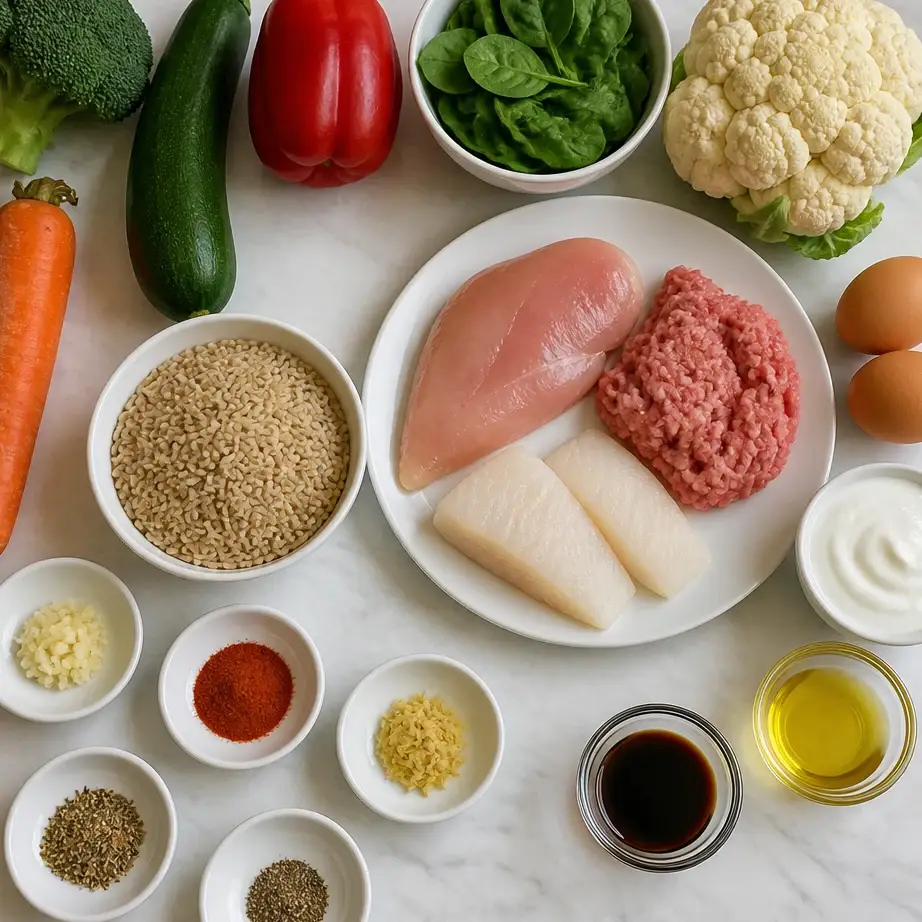
Lean Protein (one quarter of your plate). Aim for 4 to 6 ounces. Chicken breast, ground turkey, fish, Greek yogurt, cottage cheese, eggs or legumes. Choose one per meal.
Vegetables (one half of your plate). This is where volume happens. Broccoli, spinach, bell peppers, zucchini, cauliflower, carrots, green beans. Raw, roasted, steamed or sautéed. Go generous.
Whole Grains or Starch (one quarter of your plate). Brown rice, sweet potato, oats, whole wheat bread or lentils. These provide sustained energy and fiber, which adds volume without excess calories.
This isn’t rigid. Some meals might be 50% vegetables and 25% grain, 25% protein. Others might flip. The point is building a framework that naturally keeps portions controlled because you’re filling up on foods that support your goals.
Simple High Protein Volume Eating Recipes to Start With
Here are three meal templates you can rotate endlessly with different ingredients:
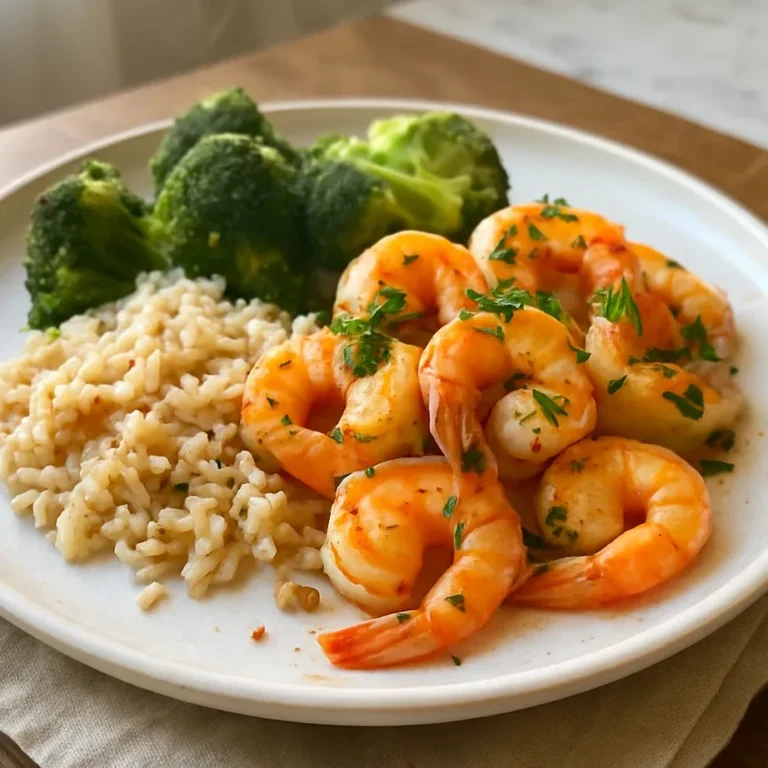
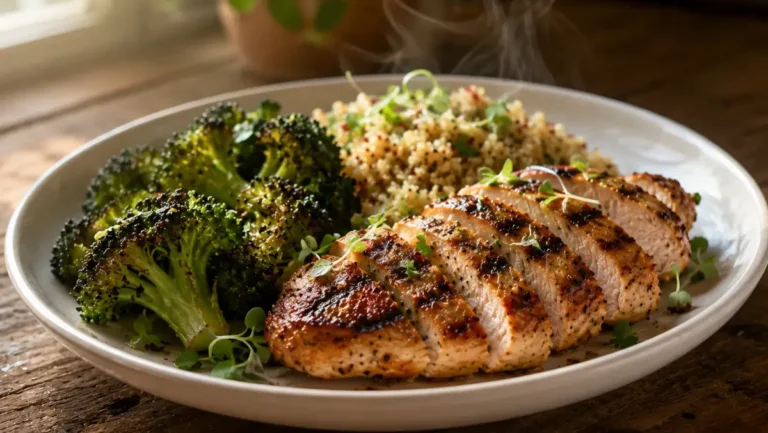
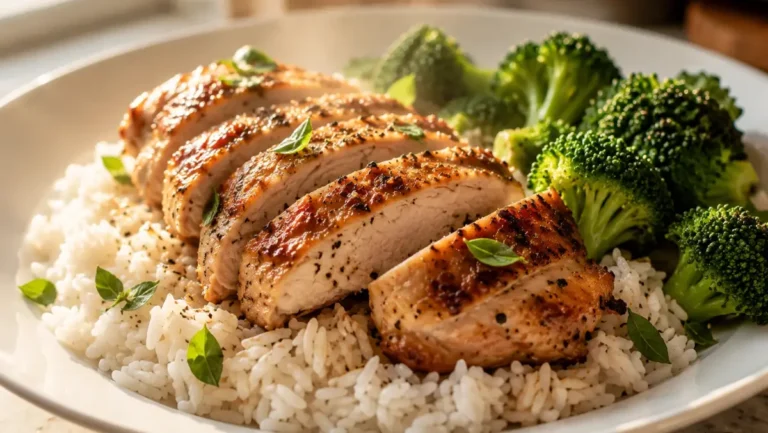
Template 1: Lean Protein + Roasted Vegetables + Grain. Season chicken breast with garlic and paprika, roast a sheet pan of broccoli and Brussels sprouts with olive oil, serve over brown rice. Takes 30 minutes. Delivers 32g protein, 420 calories.
Template 2: Egg-Based Breakfast for Dinner. Scramble three eggs with spinach and mushrooms, add a slice of whole wheat toast and half an avocado. Foolproof, 28g protein, 380 calories.
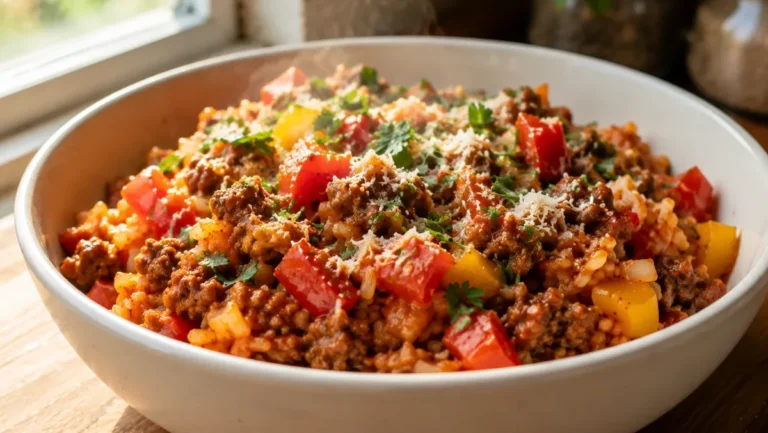
Template 3: Lean Ground Meat Stir-Fry. Brown ground turkey with ginger and garlic, add a mountain of peppers, snap peas and broccoli, toss with low-sodium soy sauce and serve over cauliflower rice. 35g protein, 350 calories.
Each of these builds in your mind once, then becomes second nature. You’re not following a new recipe every night. You’re mastering a structure and riffing on it.
The Real Talk About Sustainability
Volume eating works for weight loss because it’s sustainable. You’re not eliminating foods you love or eating things that taste like cardboard. You’re eating more vegetables than you probably were before, which naturally crowds out less nutrient-dense choices. You’re choosing lean protein sources because they’re high in protein relative to calories, not because you hate beef.
This means you can stick with it. Not for eight weeks. For actual life. That’s the difference between a diet that works and a diet you abandon the second you hit your goal weight.
Emma’s Pro Tips for Volume Eating Success
Tip 1: Prep your vegetables once, use them three ways. Roast a big sheet pan of mixed vegetables on Sunday. Use them as a side Monday, add them to eggs Tuesday morning, toss them into a grain bowl Wednesday. One prep, three meals, zero waste.
Tip 2: Keep your freezer stocked with lean proteins. Frozen chicken breast, ground turkey and frozen fish thaw quickly and cook just as well as fresh. This removes the “what’s for dinner” panic and keeps you from ordering takeout when you’re tired.
Tip 3: Drink water before and during meals. This sounds basic, but it genuinely helps. Fluid in your stomach signals fullness. Drink a big glass of water before eating, then sip during the meal. You’ll feel satisfied on less food without feeling deprived.
High protein snacks Between Meals
Even with solid meals, strategic snacking keeps you full and prevents the desperate 4pm energy crash that leads to bad choices. Greek yogurt with berries, hard-boiled eggs, string cheese, nuts or cottage cheese with fruit all deliver protein without excess calories. These aren’t “diet snacks.” They’re real foods that happen to support your goals. Aim for 10 to 15 grams of protein per snack to bridge the gap between meals without adding unnecessary calories.
Eating Out While Volume Eating
Restaurants are tricky when you’re focused on high protein, high volume meals because portions are often reversed: huge starches, tiny proteins, minimal vegetables. Fix this: order your protein first, always ask for extra vegetables instead of fries or bread, then add a simple grain if needed. A restaurant meal can absolutely fit your goals with these minor adjustments. You’re not being “that difficult customer.” You’re just making intentional choices.
Storage and Meal Prep for the Week Ahead
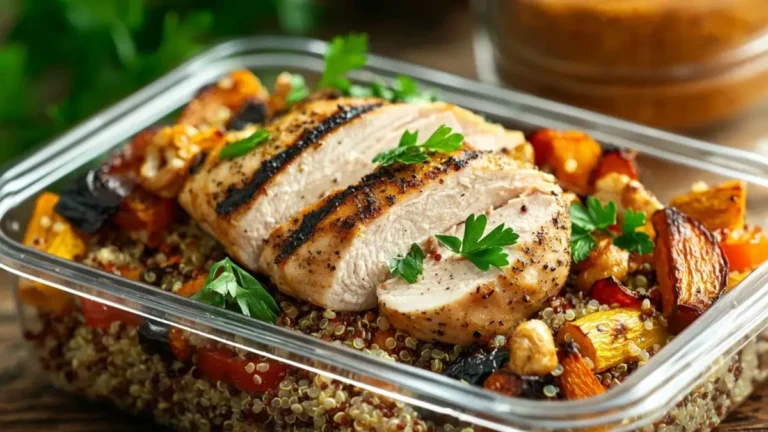
Volume eating pairs beautifully with budget-friendly meal prep. Cook a big batch of lean protein Sunday evening (roasted chicken, ground turkey, baked fish). Portion your vegetables into containers. Cook your grains. By Tuesday evening, you’re assembling meals instead of cooking from scratch on busy nights.
Cooked lean proteins keep three to four days in the fridge, most cooked vegetables last four to five days, and whole grains keep about five days. Layer them strategically so everything stays fresh and nothing goes to waste.
Frequently Asked Questions
How much protein do I need per meal for volume eating to work? Aim for 25 to 35 grams per meal. This is enough to trigger genuine satiety without being excessive. If you’re smaller or less active, 20 to 25 grams might be your sweet spot.
Can volume eating work if I’m vegetarian? Absolutely. Greek yogurt, cottage cheese, eggs, tofu, tempeh, lentils and chickpeas all deliver substantial protein. The volume strategy remains the same: lean protein source plus lots of vegetables plus a modest portion of grain.
Do I have to count calories while volume eating? Many people don’t need to. When you’re filling half your plate with low-calorie vegetables and the other half with balanced protein and grain, calories naturally stay controlled. If you’re not seeing results after a few weeks, tracking calories for a week or two can reveal blind spots, but it’s not always necessary.
What if I get bored eating the same meals? Rotate your proteins, vegetables and seasonings. The structure stays the same, but a Thai-spiced chicken stir-fry tastes completely different from Italian herb roasted chicken, even though they’re both chicken plus vegetables. Use spices freely. They add zero calories and infinite flavor.
Is volume eating the same as intermittent fasting? No. Intermittent fasting is about when you eat. Volume eating is about what you eat. You can combine them if you want, but they’re separate strategies. Volume eating just means prioritizing foods that fill you up relative to calories.
Can I still eat foods I love on a volume eating plan? Yes, within portions that fit your goals. If you love pasta, have it. Just have the normal amount instead of a huge bowl, pair it with protein and vegetables, and make it one part of a balanced meal instead of the whole thing.
The Bottom Line
Volume eating isn’t a diet. It’s a framework for choosing foods that support your goals while letting you eat satisfying, abundant meals. When you build those meals around lean protein, you stay full longer and lose weight without feeling deprived. This is why it works. This is why people stick with it.
Start with one of the simple templates above. Pick a lean protein, load up on vegetables and add a reasonable portion of grain. Make it twice this week. Notice how you feel. Share what you discover in the comments below, save this post for next week and pin your favorite meal idea to Pinterest for easy access when you need it.
Volume Eating: High Protein Meals That Keep You Full (Weight Loss)
Equipment
- sheet pan
- skillet
- mixing bowl
- measuring cups
Ingredients
- 4-6 oz lean protein (chicken breast, ground turkey, fish, eggs, Greek yogurt, or legumes)
- 2 cups vegetables (broccoli, spinach, bell peppers, zucchini, cauliflower, carrots, or green beans)
- 0.5-1 cup whole grains or starch (brown rice, sweet potato, oats, whole wheat bread, or lentils)
- Olive oil
- Garlic, paprika, ginger, low-sodium soy sauce, and seasonings to taste
Instructions
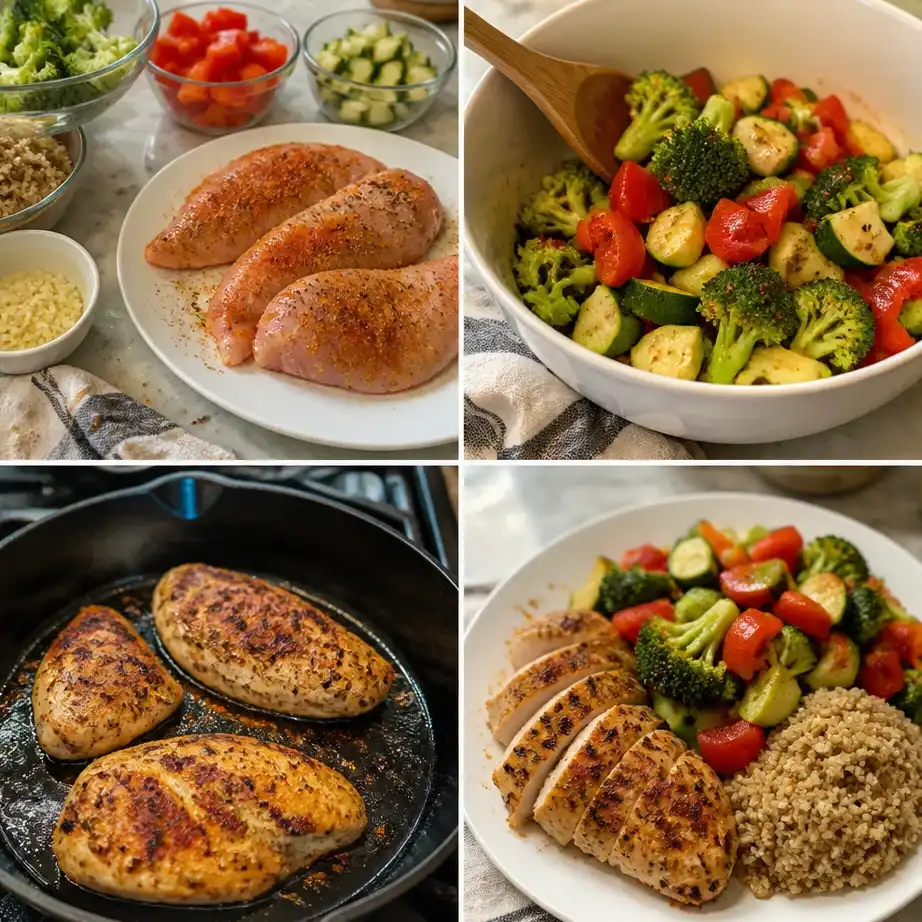
- Step 1: Prepare your lean protein by seasoning with garlic, paprika, or your choice of seasonings.
- Step 2: Roast, steam, sauté, or prepare vegetables until tender, using olive oil lightly.
- Step 3: Cook your whole grain or starch according to package directions.
- Step 4: Plate with one-quarter protein, one-half vegetables, and one-quarter grains.
- Step 5: Serve immediately while hot.